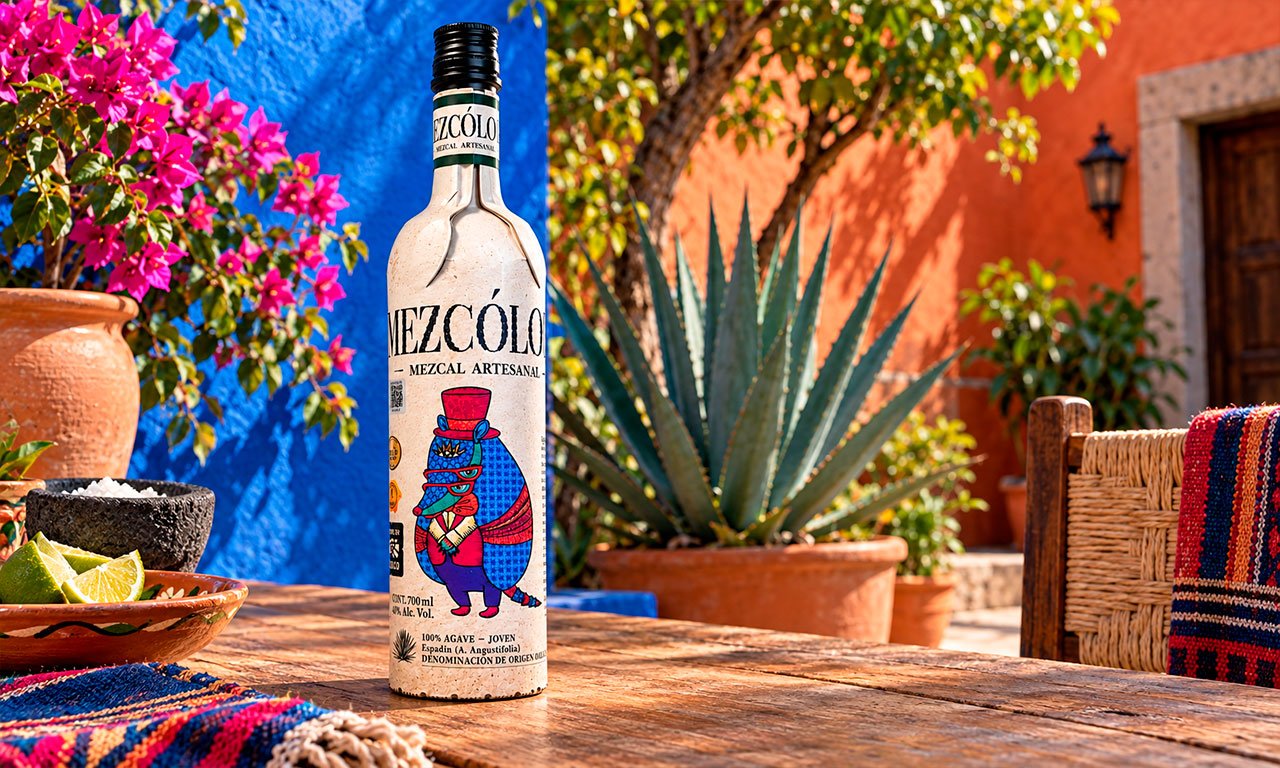
Mezcólogo in Italy: four Mexican agave spirits
Interest in agave spirits continues to grow beyond Mexico, and this time the news comes from Italy. Mezcólogo in Italy arrives through Bonaventura Maschio, which will take on the exclusive import and distribution of a collection featuring mezcal, raicilla and bacanora.
For those following the category closely from Mexico, this move matters for two reasons. First, it confirms that the international market is no longer limited to tequila and commercial mezcal. Second, it creates space for expressions with strong territorial identity, artisanal processes and far more specific sensory profiles.
Why Mezcólogo’s arrival in Italy stands out
This is not simply a new label becoming available in Europe. Mezcólogo’s proposal revolves around Mexican agave spirits understood through their origin: territory, agave variety, the craft of the master distiller and the production method.
That approach connects well with what bartenders, specialist buyers and curious consumers are looking for today. A broad category is no longer enough; it is increasingly important to know where a spirit comes from, how it was made and what distinguishes it within its own family.
The news also resonates in Mexico. Oaxaca, Jalisco and Sonora appear here not as simple geographical references, but as the true origins of distinct production styles, with traditions that continue to shape the profile of every bottle.
What the Mexican spirits collection includes
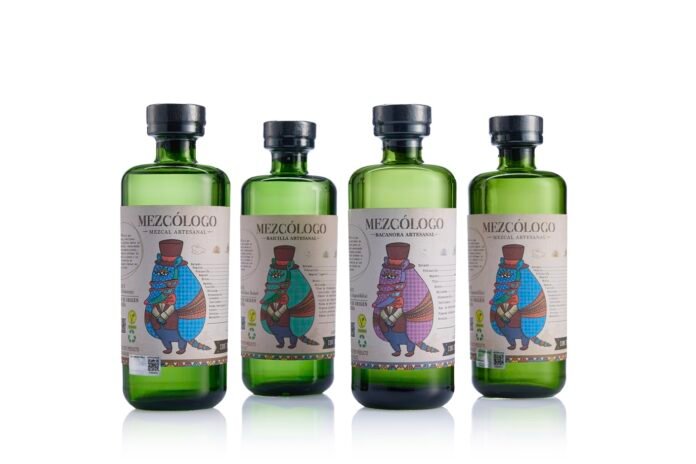
The selection presented for the Italian market consists of four expressions. Two belong to the world of mezcal, while the other two expand the conversation toward categories that still have less international visibility.
The four labels in the collection
- Mezcal Espadín
- Mezcal Tobalá
- Raicilla
- Bacanora
Together, the line seeks to show that the map of Mexican agave is broader than many international consumers may imagine. That is probably one of the project’s most valuable aspects.
The two mezcals from Oaxaca
Within the collection, the mezcals serve as a recognizable entry point. Even so, they are not presented as generic products, but as expressions with clear differences in raw material, agave maturation and glass profile.
Mezcal Espadín: an approachable expression without losing identity
Mezcal Espadín comes from the Central Valleys of Oaxaca and is presented as a young mezcal with herbal notes, citrus nuances and an elegant smoky character.
According to the information released about the collection, its process includes cooking in an underground stone oven, fermentation in oak vats and double distillation in copper stills. This combination helps explain why the profile aims for balance rather than overwhelming intensity.
For bars and mixology projects, an Espadín of these characteristics is usually versatile. It can work both served neat and in cocktails where agave needs presence without aggression.
Mezcal Tobalá: greater aromatic complexity
Mezcal Tobalá is described as a more complex expression. The use of wild agaves with a longer maturation period often translates into deeper aromatic layers and a less linear personality.
In this case, floral notes, hints of dried fruit, echoes of wild herbs and a more pronounced smoky component are reported, accompanied by a mineral vein. For the specialist consumer, this type of profile places Tobalá in a different conversation from Espadín.
It is not necessarily a matter of “better” or “worse,” but rather of different drinking occasions and audiences with different expectations of artisanal mezcal.
Raicilla from Jalisco and bacanora from Sonora
One of the elements that makes this collection interesting is that it does not stop in Oaxaca. It also includes two categories that help explain the diversity of agave spirits made in Mexico.
Raicilla: a Jalisco tradition with its own identity
The raicilla from Jalisco included in the line comes from Cuautla and is made with Agave maximiliana. Although it historically shares certain points with mezcal, its territorial and production identity is its own.
Available information about this label highlights a traditional method that includes manual milling on a wooden trough, cooking in a surface oven sealed with clay, wood fermentation and double distillation in copper and clay equipment.
In the glass, it is described with light tropical notes, cooked agave, hints of incense and an herbal development that may recall lime, pine and eucalyptus. It is an uncommon profile for someone who only knows commercial tequila or more direct mezcals.
Bacanora: Sonora enters the international conversation
Bacanora from Sonora completes the journey. It is a denomination-of-origin category made with Agave angustifolia in the Sonoran desert.
According to the brand’s presentation, this version is produced in San José de Primas and shows a vegetal, mineral character, with notes of cooked agave, delicate smoke and hints of dairy, leather and fresh straw. On the palate, herbal notes appear alongside an anise-like finish.
For the international market, bacanora remains a category to be discovered. That is why its inclusion in the collection may be one of the most interesting bets in the medium term.
What this expansion means for the sector
From Mexico, this news can be read as a sign of the category’s maturity. The European market is beginning to show interest in regional and less mass-market expressions, which favors the positioning of products with a well-developed origin story.
It also leaves an important task pending. When a Mexican spirit reaches international markets, it does not compete only on price or bottle design; it competes on context. Explaining the difference between mezcal, raicilla and bacanora is no longer a narrative luxury, but part of commercial value.
For distributors, bars and specialist media, this point matters greatly. The conversation around agave is reaching a new level, and that requires better communication. It is not enough to say “Mexican spirit”; we must speak about region, agave, technique and production culture.
Frequently asked questions
What is Mezcólogo?
It is a project focused on highlighting Mexico’s traditional agave spirits. Its proposal emphasizes origin, raw material and production methods.
Which Mezcólogo products are arriving in Italy?
The collection presented for Italy includes four references: Mezcal Espadín, Mezcal Tobalá, raicilla and bacanora.
Why is this news relevant for Mexico?
Because it confirms international interest in more specific agave categories and gives visibility to producing regions such as Oaxaca, Jalisco and Sonora.
Does the collection include only mezcal?
No. In addition to two mezcals, it also includes a raicilla and a bacanora, broadening the representation of Mexican spirits.
Source: Bargiornale – https://www.bargiornale.it/spirit/gli-spiriti-messicani-di-mezcologo-in-italia-con-bonaventura-maschio/